
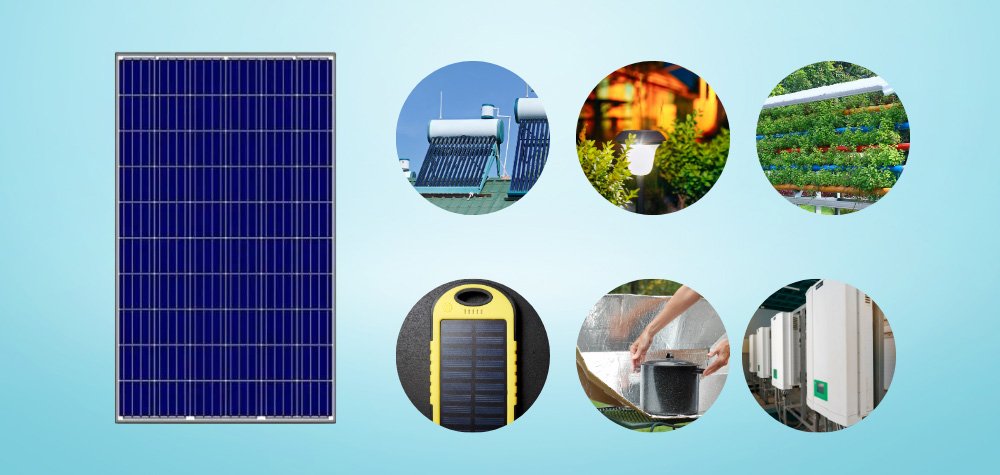
Solar energy is becoming a major part of Indian homes. Many families install rooftop solar to reduce their electricity bills. But solar power works best during the day. At night the panels stop producing energy. During power cuts the system without storage cannot support your home. This is why a good solar battery for home use is important. It stores extra solar power produced during the day. You can use that stored energy at night or during blackouts.
In 2025 India has more residential battery options than ever. Many brands now offer lithium iron phosphate batteries. These batteries are safe, durable and ideal for long term solar energy storage. New global products and improved Indian batteries also entered the market. Prices are becoming more competitive. Service support in cities is improving. All these changes help homeowners find the best solar battery for their needs.
This article explains every detail. It covers battery types, features, safety, sizing and brand choices. It is written in simple English. Sentences are short to help readability. Examples are easy to understand. The information is polished for the Indian residential solar market.
Why Indian Homes Need a Solar Battery in 2025
A rooftop solar system generates power only in sunlight. If you want to use clean solar energy at all hours you need storage. A solar battery supports your home in many ways.
A battery helps you use more solar energy instead of buying electricity from the grid. It lets you power your home at night with the energy stored during the day. During power cuts the battery supports lights, fans, chargers and important appliances. Many Indian cities face outages during storms, high load or maintenance. A battery keeps the home comfortable during these times.
Electricity tariffs are rising in many states. Some users pay higher rates in the evening. A solar battery reduces the burden by shifting stored solar energy to these hours. This helps you save more and improve your solar return on investment.
Many Indian homeowners now aim for partial energy independence. A solar battery paired with rooftop solar brings them closer to this goal.
Common Solar Battery Technologies in India
Lead Acid Batteries for Solar Use
Lead acid batteries are the older option. They cost less to buy. They work for solar but need regular maintenance. You must check water levels often. Their life cycle is shorter. Charge and discharge efficiency is lower. They are heavy. Most homes using long duration daily backup eventually move to lithium batteries.
Lithium Iron Phosphate Batteries or LFP
Lithium iron phosphate batteries are the leading choice in 2025 for residential solar storage in India. They are safe. They tolerate heat better than many other lithium chemistries. They offer very long cycle life. They store energy efficiently. They need almost no maintenance. They deliver higher usable capacity. They also support fast charging when solar production is high.
LFP batteries last many years even with daily cycling. Most new home storage products in India now use this chemistry.
Trends Shaping the Solar Battery Market in India in 2025
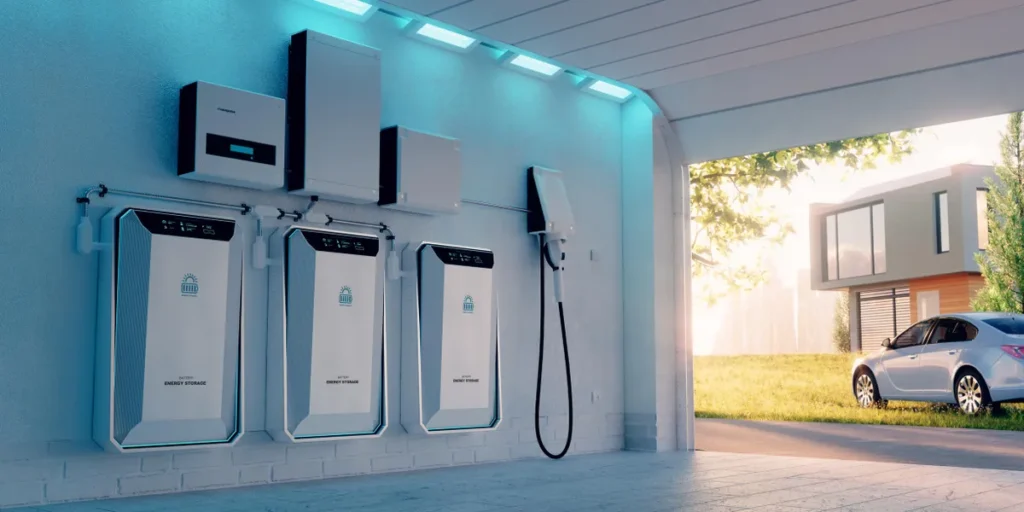
India is pushing local manufacturing. More companies assemble or produce lithium batteries in the country. This increases supply and reduces delivery time.
New global home battery models have entered India. Premium lithium batteries are now sold through official dealers. Some brands bring modular battery designs that can expand easily.
Large utilities and private companies are investing in energy storage. These projects increase awareness and improve service and technician availability for home installations.
More consumers ask for hybrid solar systems. These systems combine rooftop solar and batteries with smart inverters. They allow homeowners to control energy use through mobile apps.
Retail pricing of LFP batteries is softening. A 5 kWh home battery is now more affordable compared to earlier years. Many products are available in the range that Indian homeowners prefer for essential loads.
Also Read SMA vs Fronius vs Huawei: Best Solar Inverters for Indian Homes in 2025
Important Features to Check Before Buying a Solar Battery
Battery Capacity
Battery capacity is measured in kilowatt hours. This tells how much energy the battery can store. A small apartment may use a 3 to 5 kWh battery. A larger home may prefer 8 to 15 kWh.
Usable Capacity and Depth of Discharge
Many batteries cannot use 100 percent of their energy. They have a depth of discharge limit. Higher depth of discharge gives more usable energy. For example a battery with 90 percent depth of discharge provides better value than one with 50 percent.
Cycle Life and Warranty
Cycle life means the number of times a battery can charge and discharge before its capacity drops. Good lithium batteries offer thousands of cycles. Many provide warranties up to 10 years. Always check the exact terms because home storage is a long term investment.
Battery Management System
The battery management system is important. It controls voltage, temperature and charge levels. A strong BMS protects the battery and improves safety.
Safety and Certifications
Home batteries should have strong safety standards. LFP batteries are considered safer due to thermal stability. Look for tested designs and approved certifications.
Scalability
Some systems allow expansion in the future. This helps homeowners who want to start small and increase storage later.
Compatibility with Inverters
The battery must match your solar inverter. A wrong match causes poor performance and may void warranty. Hybrid inverters are widely used because they work well with lithium storage.
Round Trip Efficiency
This shows how much energy is lost while charging and discharging. Higher efficiency means more of your solar energy is available for use.
Service and Support
Select brands that have service centers in your city. Batteries last many years, so good service support is important.
Popular Solar Battery Options for Residential Use in India in 2025
The battery market is expanding. Below are the most visible and reliable categories Indian homeowners consider.
1. Global Lithium Battery Brands with Strong Reputation
International companies produce advanced LFP batteries with high quality control. These batteries offer long life, compact design and strong warranties. They suit homeowners who want premium storage systems and high reliability.
2. Indian Lithium Battery Manufacturers for Homes
Many Indian brands build LFP batteries suited for hot climates and long daily cycles. They offer clear pricing. They have wide service networks. Their products often range between 3 kWh and 10 kWh for residential backup.
3. Retail and Online Battery Brands
A number of retail focused solar companies sell modular home batteries online. These batteries are simple to install with hybrid inverters. They often come in 48 volt configurations for easy integration.
4. Established Lead Acid Battery Companies Adding Lithium Models
Traditional battery makers are now producing lithium batteries for solar backup. They use their large dealer networks to support installations. This helps homeowners get better service in many cities.
5. Premium Integrated Battery Systems
Some international systems provide a full solution with high integration. They offer advanced controls, smart energy management and long warranty support. They cost more but are preferred by high usage homes.
How Much Battery Capacity Do You Need
Your usage pattern decides your battery size. Below is a simple guide.
3 to 5 kWh Battery
Good for a small home or apartment.
Supports lights, fans, chargers, internet router, television and a small refrigerator.
6 to 10 kWh Battery
Ideal for a typical 2BHK or 3BHK home.
Supports lights, fans, fridge, television, laptop, water purifier and selective sockets.
10 to 15 kWh Battery
Works for larger homes.
Supports multiple rooms, bigger appliances and longer backup hours.
Actual runtime depends on how much load you run. If you run too many devices at once the backup time reduces. It is wise to create an essential load list before deciding size.
How to Size a Solar Battery for Your Home
A simple method helps you find the right size.
- Check your daily energy use on electricity bills.
- Decide how much of it you want to store for night use.
- Calculate backup needs during power cuts.
- Add a buffer for future increase in load.
- Match the final number with available battery sizes.
Example
If your home uses 10 kWh per day and you want to cover half of your night consumption you need around 5 kWh of usable storage. With efficiency losses a 6 kWh battery is a safe choice.
Installation and Safety Tips for Indian Homes
Always choose an authorized installer.
Do not install the battery in direct sunlight.
Place it in a dry shaded space.
Provide ventilation.
Keep the battery away from heat sources.
Use proper earthing and electrical protection devices.
Use the correct cable size.
Never mix old and new batteries in one system.
Register your product with the manufacturer for warranty.
Cost of Solar Batteries in India in 2025
Prices vary by brand, capacity and quality. A 5 kWh lithium iron phosphate home battery is often priced around the mid to higher range depending on the brand. Premium imported batteries cost more due to design, certification and long warranties.
To compare cost correctly check cost per usable kWh over the warranty period. A cheaper battery with short life can cost more over time. A well built LFP battery with long life is more cost effective in long term use.
Solar Battery Financing and Policies
Some banks offer green loans for solar systems that include batteries. Many installers offer EMI options. Residential battery subsidies are rare, but some state programs include incentives under specific conditions. Rules depend on the local discom. Always check current policies before installing a grid connected hybrid system.
Practical Tips for Choosing the Best Solar Battery
- Decide your priority loads first.
- Choose LFP if your budget allows.
- Select a battery that can expand in future.
- Check inverter compatibility.
- Compare warranties carefully.
- Prefer brands with local support.
- Avoid very cheap products that compromise on safety.
Frequently Asked Questions
1. Which solar battery is best for Indian homes in 2025
Lithium iron phosphate batteries are the best for residential solar systems in 2025 due to long life, safety and low maintenance.
2. Can I use solar power at night if I install a battery
Yes. A battery stores extra solar energy during the day. You can use it at night or during power cuts.
3. How long does a lithium solar battery last
A good lithium iron phosphate battery can last many years. Many offer warranties up to ten years. Real life often extends beyond that depending on usage.
4. What size battery is best for a 2BHK home
Most 2BHK homes choose a battery between 6 and 10 kWh. It supports essential backup and night consumption.
5. Do solar batteries need maintenance
Lithium batteries need very little maintenance. Lead acid batteries need regular water top up and care.
6. Can I add a battery later to my rooftop solar system
Yes. Most hybrid inverters support adding a battery later. Ensure compatibility before purchase.
7. Do solar batteries reduce electricity bills
Yes. They store solar energy for night use. This reduces dependence on grid supply and lowers bills.
8. Are solar batteries safe
Lithium iron phosphate batteries are considered safe for home use. Proper installation and a strong BMS improve safety further.