
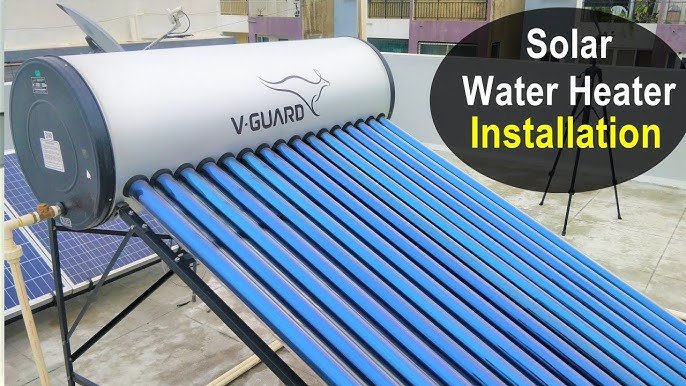
Solar water heaters are becoming a common choice in many Indian homes. Rising electricity prices, frequent power cuts, and a growing interest in clean energy are encouraging more families to switch to solar heating systems. A solar water heater runs on sunlight. It heats water without using electricity or gas. It helps reduce monthly bills and supports a cleaner environment.
This detailed guide explains every step involved in installing a solar water heater in India in 2025. It uses simple English and short sentences to improve readability. It also includes the latest information, common costs, system types, maintenance needs, government support, and regional considerations. The guide is written for Indian conditions and focuses on practical and accurate knowledge.
Understanding a Solar Water Heater
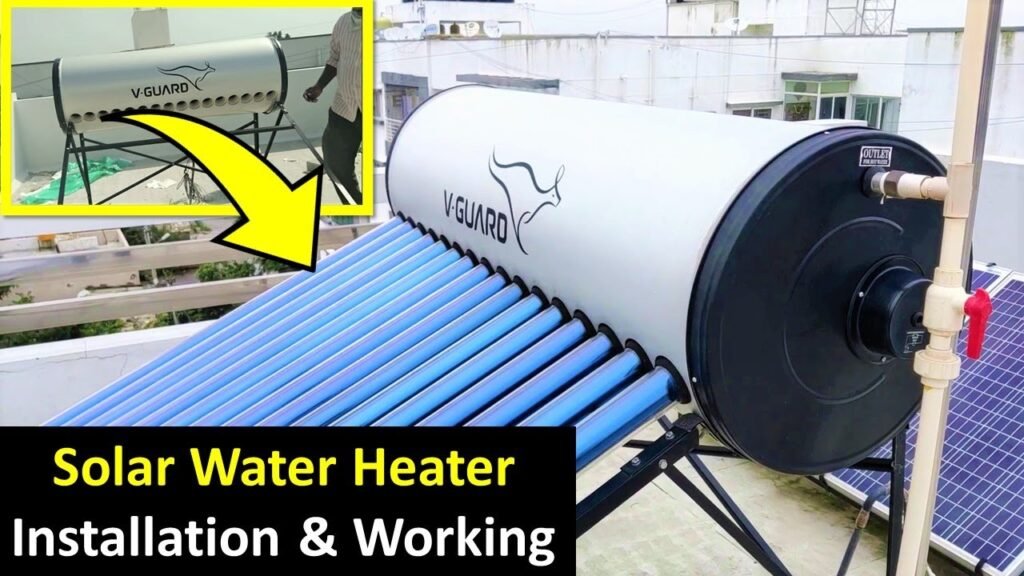
A solar water heater uses solar energy to warm water. It works through solar collectors placed on the rooftop. These collectors absorb sunlight. The absorbed heat warms the water stored in an insulated tank. The water remains hot for long hours because of the tank’s strong insulation.
Solar water heaters are reliable in most Indian cities. They work well in areas with strong sunlight. Even in colder regions or cloudy months, they can still heat water, though efficiency may drop slightly.
Types of Solar Water Heaters in India
Choosing the right type is the first step.
Flat Plate Collector System
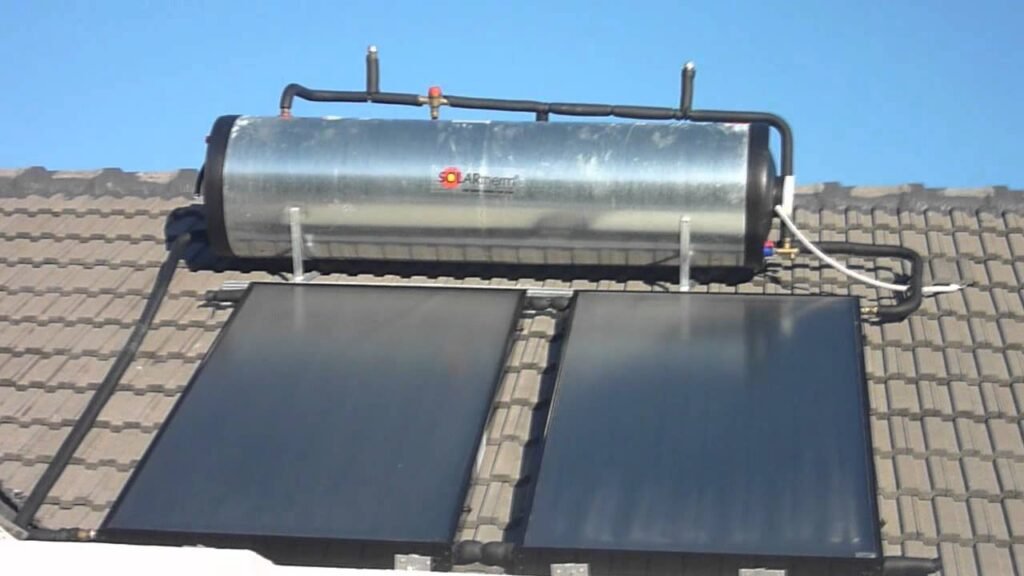
A flat plate collector system has a metal box with a glass cover. Copper pipes inside the box carry water and get heated by sunlight. This type is durable and long-lasting. It works well in regions like Kerala, Tamil Nadu, Maharashtra, and Gujarat.
Evacuated Tube Collector System
An evacuated tube collector system uses long glass tubes. Each tube contains a heat-absorbing layer inside. It works better in colder regions like Himachal Pradesh, Uttarakhand, and Kashmir. It also performs well during winter months. It is usually more affordable.
Thermosiphon System
A thermosiphon system does not need a pump. Hot water rises naturally and moves to the tank. It is simple and commonly used for homes.
Active System
An active system uses a pump to circulate water. It is suitable for large buildings and commercial use.
Benefits of Installing a Solar Water Heater in India
Solar water heaters offer several advantages.
Lower Electricity Bills
Electric geysers use a large amount of power. A solar water heater heats water for free using sunlight.
Works Well During Power Cuts
The system does not depend on electricity. It heats water using solar energy. It is helpful in areas where electricity supply is unstable.
Long Life
Most systems last 15 to 20 years with simple care.
Low Maintenance
Only basic cleaning and simple checks are needed.
Eco Friendly
It reduces carbon emissions and supports sustainable living.
Good for All Climates
India receives strong sunlight in most months. This makes solar heating a dependable option.
Step by Step Guide to Installing a Solar Water Heater in India in 2025
Follow the steps below for a smooth installation.
Step 1: Assess Your Water Usage
Calculate how much hot water your family uses each day. A family of four usually needs a 200 to 250 liter system. Larger families need bigger systems. Small families may use 100 to 150 liters.
Make a clear estimate before selecting a model.
Step 2: Check Your Rooftop Space
Solar water heaters need an open and shadow free rooftop. The collectors must receive sunlight from morning to afternoon. Check for nearby trees or buildings that may block sunlight. The rooftop must be strong enough to hold the tank and collector.
Step 3: Choose the Right Location
Face the collector towards the south. This direction receives maximum sunlight in India. Install the system at a slanting angle between 20 to 45 degrees. This angle improves heat absorption.
Step 4: Select the Correct System Type
Choose based on your location and climate. Select flat plate collector systems for hot regions. Choose evacuated tube collector systems for colder or hilly areas.
Step 5: Decide the Tank Size
The tank size depends on your needs. Bigger tanks cost more. They also take more rooftop space. Tanks made of stainless steel or high grade material last longer.
Step 6: Choose a Reliable Brand
Pick a trusted and certified company. Choose systems that have a long warranty. Good quality systems keep water hot for many hours and reduce future problems.
Step 7: Install the Collectors
The technicians will place the collectors on the rooftop. They align them correctly. They secure them with strong stands. Proper mounting ensures safety during strong winds.
Step 8: Install the Storage Tank
The tank is placed on the rooftop close to the collectors. Pipes from the collectors connect to the tank. Insulated pipes prevent heat loss.
Step 9: Connect to Your Home Water System
The installer connects the hot water outlet from the tank to your bathroom or kitchen. Check that the water flow is smooth. Ensure that all joints are sealed properly.
Step 10: Test the System
After installation, test the system. In bright sunlight, the water should heat up quickly. The tank should hold hot water for many hours. Ask the technician to verify every connection.
Cost of Installing a Solar Water Heater in India in 2025
Prices depend on tank size and system type. Here are common price ranges.
- 100 liter system: Usually between moderate price ranges.
- 200 liter system: Medium cost.
- 300 liter system: Higher cost.
- 500 liter and above: Used for hotels, hostels, and hospitals.
Evacuated tube collector systems are more affordable. Flat plate systems are slightly costlier but survive longer.
Installation charges are usually included in the price. Some service providers may charge extra for additional piping or plumbing work.
Government Support and Subsidies in 2025
Some state governments offer incentives for solar water heaters. Schemes differ between regions. Many states encourage renewable energy with financial support. It is best to check the latest information from local renewable energy departments. Subsidies depend on the type of system and the state’s policy.
Maintenance Tips for a Long Lasting System
Solar water heaters need simple care.
- Clean the collectors regularly.
- Remove dust, leaves, or bird droppings.
- Check for leaks in the pipes.
- Inspect the tank for rust.
- In hard water areas, descale the tubes once in a year.
- Call a technician once in a year for general service.
Proper maintenance increases efficiency and saves money.
Common Problems and Solutions
Low Water Temperature
This happens due to low sunlight or blocked tubes. Cleaning the tubes usually solves the issue.
Slow Water Flow
Hard water deposits block pipes. Descaling helps restore flow.
Leaks
Loose joints or damaged pipes cause leaks. Fix them immediately to avoid heat loss.
Tank Not Holding Heat
Insulation may be weak. A technician can check and repair it.
Solar Water Heater Suitability Across Indian Regions
Different regions have different climates.
- North India receives strong summer sunlight. Winter months need evacuated tube systems.
- South India gets sunlight throughout the year. Flat plate systems perform well.
- West India has hot and dry conditions. Solar water heaters work perfectly.
- East India receives high humidity. Systems with strong anti corrosion materials are suitable.
- Hilly regions need high efficiency tubes for cold weather.
Choosing the Right Installer
Pick a trained and certified installer for better results. Proper installation ensures long life. Ask for service support. Verify warranty documents. Request a demonstration after installation.
Final Thoughts
A solar water heater is a smart choice for Indian homes in 2025. It saves money, reduces electricity use, and works for many years. India gets abundant sunlight. This makes solar water heating reliable and cost effective. Following the steps in this guide will help you choose the right system and install it smoothly. It is an investment that supports both your home and the environment.
FAQs
What is the average life of a solar water heater in India
Most systems last 15 to 20 years with proper care.
Does a solar water heater work in winter
Yes. It works even in winter. Evacuated tube systems work better in cold regions.
Can it work on cloudy days
It still heats water. But the temperature may be slightly lower.
Is a backup heater needed
In some regions, a backup electric heater is helpful during rainy days.
How much rooftop space is needed
A 200 liter system needs moderate space. Larger systems need more.
Can it be installed on a metal sheet roof
Yes. But the structure must be strong and stable.
Does it work with hard water
Yes. But scaling occurs faster. Regular cleaning is needed.
What type of system is best for Indian homes
Evacuated tube systems are best for cold regions. Flat plate systems are best for hot and sunny regions.