Which Solar Panel Should You Choose for Your Home?
Solar power has become one of the best ways for Indian families to cut electricity bills and enjoy reliable clean energy. Solar rooftop systems are now common in both cities and towns. Many homeowners still face one major question before installation. They want to know whether monocrystalline or polycrystalline solar panels are better for Indian homes in 2025.
Both panel types are popular. Both generate electricity from sunlight. Both are made from crystalline silicon. Yet they differ in structure, efficiency, temperature performance, cost and long term output. These differences matter when planning a solar system for your house.
This detailed guide explains everything in simple English. The article helps you choose the right solar panel type for your roof based on space, climate, shading, budget and electricity needs.
What are monocrystalline solar panels
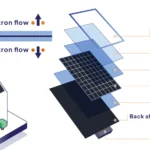
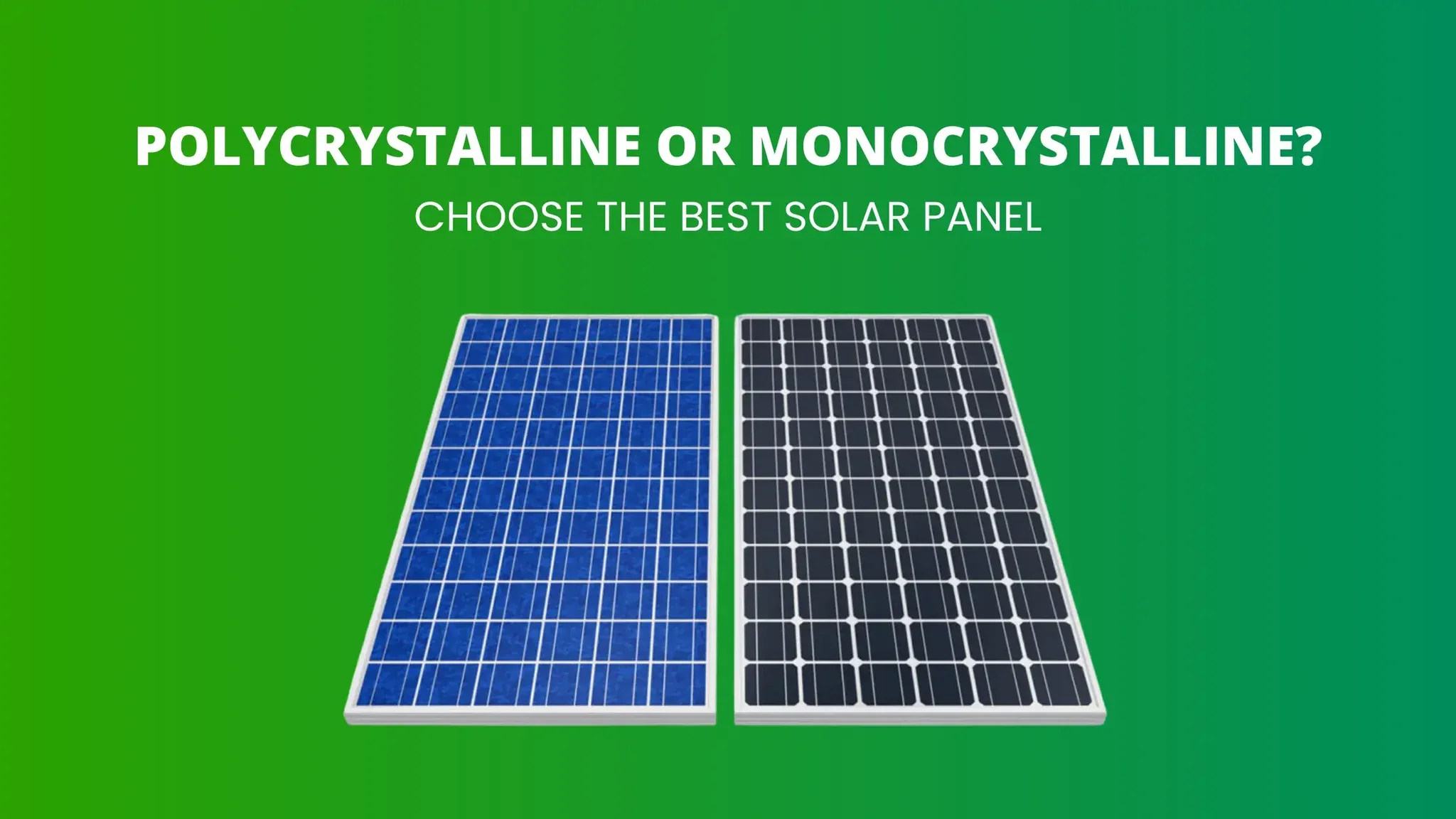
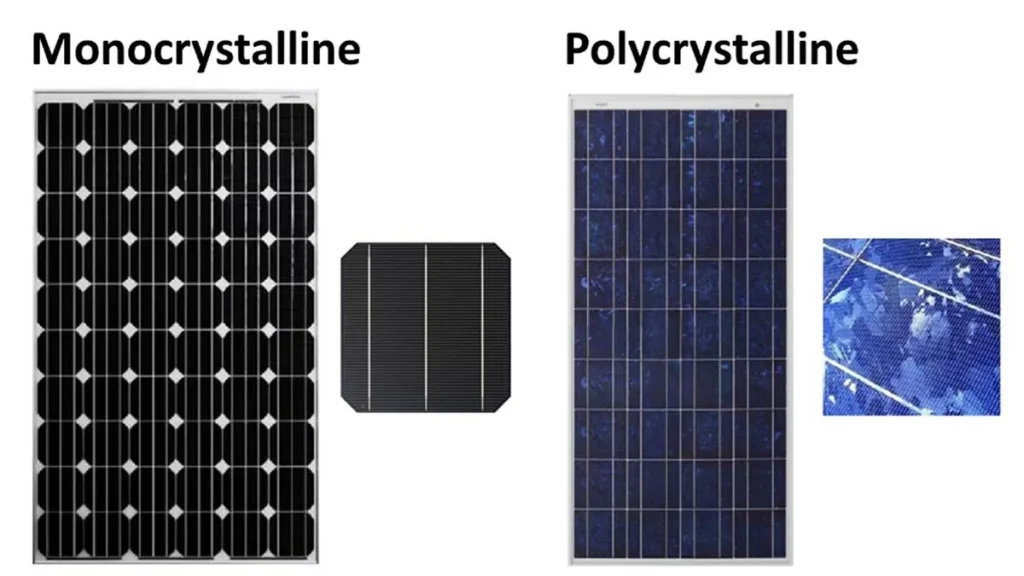
Monocrystalline panels are made using single crystal silicon. The cells are uniform and pure. This smooth structure allows electrons to move easily. This increases efficiency and improves electricity production.
Monocrystalline solar panels have a dark black color. Their neat appearance makes them suitable for modern rooftops. New solar technologies like PERC, TOPCon and HJT are mostly based on monocrystalline cells. These advanced panels deliver high efficiency and better performance in limited roof space.
What are polycrystalline solar panels
Polycrystalline panels are made by melting many silicon fragments together. The result is a panel with many small crystals. These crystals create boundaries that slow electron movement. This reduces efficiency slightly when compared to monocrystalline panels.
Polycrystalline solar panels usually have a blue color with a textured pattern. They are reliable and durable. They also cost less, making them attractive for buyers with large roofs or tight budgets.
Efficiency comparison
Which panel produces more electricity
Solar panel efficiency shows how much sunlight becomes usable electricity. Higher efficiency gives more power in less area.
Typical efficiency in 2025:
- Monocrystalline solar panels: around 18 to 22 percent
- Polycrystalline solar panels: around 15 to 18 percent
This difference is important for homes with limited rooftop space. If you want more power from a smaller area, monocrystalline solar panels give huge advantages. If you have a large terrace or open roof, the efficiency gap matters less.
Also Read Power Your Home Day and Night: Best Solar Battery for Residential Use in India in 2025
Temperature performance in Indian climate
India experiences high heat for many months each year. Solar panels become hot under strong sunlight. When panels get hot, they lose some power. This is measured by temperature coefficient.
Most monocrystalline solar panels have slightly better temperature coefficients. This means they lose less energy on hot days. Polycrystalline panels may show slightly higher power loss as temperatures rise.
This difference grows in:
- Rajasthan
- Delhi NCR
- Telangana
- Odisha
- Tamil Nadu
- Coastal regions with strong heat and humidity
For extremely hot and sunny locations, monocrystalline solar panels usually provide higher yearly output.
Cost comparison in India 2025
Which solar panel type is more affordable
Cost is a major deciding factor for Indian families planning a home solar system.
By 2025, solar prices have reduced, especially due to rapid manufacturing growth. The price gap between monocrystalline and polycrystalline solar panels has become smaller.
Typical rooftop solar panel prices:
- Monocrystalline panels: about 20 to 40 rupees per watt
- Polycrystalline panels: about 18 to 32 rupees per watt
Premium monocrystalline products with advanced cell technology cost more. Budget polycrystalline modules remain cheaper, making them suitable for large residential rooftops with enough space.
New solar technologies and how they affect your choice
The solar market in India is moving fast. Many new technologies are entering the residential sector.
Monocrystalline based technologies
- PERC
- TOPCon
- HJT
- N type cells
These offer higher efficiency, longer life and low degradation. They are ideal for small rooftops.
Polycrystalline based technologies
Poly PERC modules offer improved performance and remain cost friendly. They work well for bigger rooftops where space is not a problem.
In 2025, most top solar brands focus on monocrystalline panels, as they give better value and power output for Indian homes.
Space requirement and rooftop suitability
Rooftop area plays a key role in choosing the right solar panel type.
Approximate space needed per kilowatt:
- With monocrystalline panels: around 55 to 65 square feet
- With polycrystalline panels: around 70 to 85 square feet
If you live in a city with small terrace space, monocrystalline is usually the best choice. You can install a 2 kW, 3 kW or 5 kW system even in tight spaces. For large homes or farmhouses with open rooftops, polycrystalline panels help reduce overall system cost.
Appearance and aesthetics
Which panels look better
Monocrystalline solar panels have a smooth, uniform black surface. Many homeowners prefer them for aesthetic reasons. They look modern and blend well with most building designs.
Polycrystalline panels have a blue, speckled look. Some find this older design less attractive. If your roof is visible from the front of the house or balcony, monocrystalline panels may give a cleaner visual finish.
Durability and lifespan
Both monocrystalline and polycrystalline solar panels are designed to last more than 25 years. Most manufacturers offer:
- Product warranty: 10 to 15 years
- Performance warranty: 25 years
Monocrystalline panels usually show lower degradation per year. However, both types maintain long life if produced by good companies and installed properly.
Always choose solar panels with strong warranties and good customer support.
Shading and partial shade performance
Shading affects solar panel output significantly. Even small shadows can reduce power. In shading conditions, the panel type matters less than system design.
If shading is present, consider:
- Microinverters
- Power optimizers
- Smart string design
These devices help both monocrystalline and polycrystalline panels produce more power in partially shaded areas.
Best solar panel type for different parts of India
Hot northern and western states
Rajasthan, Gujarat, Delhi, Haryana
Monocrystalline panels perform better because of their lower temperature losses.
Humid and coastal regions
Goa, Tamil Nadu, Kerala, Andhra Pradesh
Choose modules with corrosion resistance and strong frames. Both types work well if quality is good.
Urban homes with small rooftops
Delhi, Mumbai, Kolkata, Bengaluru, Chennai
Monocrystalline solar panels save space and give maximum energy output.
Homes with large rooftop or open terraces
Tier 2 and Tier 3 cities
Polycrystalline panels reduce system cost when space is not an issue.
Long term performance and return on investment
Solar is a long term investment. You must consider the power produced over 25 years, not only the purchase price.
Monocrystalline panels:
- Produce more electricity per square foot
- Have lower yearly degradation
- Give higher lifetime output
Polycrystalline panels:
- Cost less initially
- Produce slightly less energy
- Offer good value for large rooftops
If you want the best ROI on a small roof, monocrystalline panels win. If you want a budget system for a large roof, polycrystalline panels can be the right pick.
Installation quality and certifications
No matter which panel type you choose, installation quality is critical.
Check:
- BIS certification
- IEC standards
- Brand reputation
- Warranty terms
- Service availability
- Dealer authorization
A poor installation can create water leakage, lower power output or cause system failures. Always choose trained and approved installers.
Sustainability and environmental impact
Both panel types use similar silicon materials. Manufacturing practices differ based on the company. Many brands in India focus on local production and recycling programs. If sustainability matters to you, choose companies that follow responsible manufacturing and recycling guidelines.
Buying checklist for Indian homeowners in 2025
Use this simple checklist before buying solar panels:
- Measure your roof area.
- Check for shade at different times of the day.
- Finalize the system size you need.
- Compare monocrystalline and polycrystalline panel options.
- Read the panel datasheet carefully.
- Confirm certifications and warranties.
- Ask for the exact model name of the panel.
- Get an itemized quote from your installer.
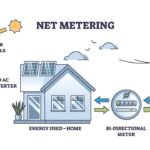
- Check net metering rules in your state.
- Choose brands with local service support.
Final recommendation
Monocrystalline solar panels are the top choice for most Indian homes in 2025. They offer high efficiency, better performance in heat, lower space requirement and long term power output. Polycrystalline panels remain useful for large rooftops where cost matters more than efficiency.
Both types can power your home well. The right choice depends on your roof size, budget and energy goals.
If you want a personalized suggestion, tell me your rooftop size, state and monthly power usage. I can guide you further.
Frequently Asked Questions
1. Which solar panel is better for Indian homes in 2025
Monocrystalline panels are better for most homes because they offer higher efficiency and better performance in heat. Polycrystalline panels are fine if you have a large roof and want lower cost.
2. Are monocrystalline panels worth the extra price
Yes, if roof space is limited or you want maximum power output. The higher efficiency helps you generate more electricity over the lifetime of the system.
3. Do polycrystalline panels work well in hot weather
They work well, but they lose slightly more efficiency in high temperatures. This difference affects yearly output in very hot regions.
4. How long do solar panels last in India
Both panel types can last more than 25 years with proper care. Product warranties usually range from 10 to 15 years and performance warranties last 25 years.
5. Which panels are better for partial shade
Neither type solves shading issues alone. The solution is to use microinverters or optimizers. These devices reduce energy loss from shaded areas.
6. Do monocrystalline panels need less roof space
Yes. They produce more power in less area. This helps homeowners in cities where rooftop space is limited.
7. Can polycrystalline solar panels reduce system cost
Yes. They are usually cheaper per watt. For large roofs, polycrystalline panels can reduce the overall budget of the solar installation.
8. What should I check before buying solar panels
Check efficiency, temperature coefficient, warranty, certifications, service network and installer quality. Also confirm net metering rules and panel model details.