I used to think solar power was something very technical. Like you needed to be an engineer to even understand the basics. But once I actually sat down and figured it out, it turned out to be much simpler than I expected.
The funny part is, we see solar panels all the time now. On rooftops, on street lights, even in small villages. Still, most people don’t really know what’s happening behind the scenes.
So let me explain it the way I wish someone had explained it to me.
Who Should Read This
If you’re thinking about installing solar panels or just curious about how solar electricity actually works, this will help.
You don’t need any technical background. Just a bit of curiosity.
What It Feels Like Once You Understand Solar
After using it for a while, things start to click in a practical way.
You stop seeing solar panels as just shiny glass sheets. You start understanding how sunlight turns into something that powers your fan, fridge, or even your AC.
One thing I noticed is that people feel more confident about their decision once they understand how it works. It removes that doubt of “what if this stops working someday?”
The Basic Idea of Solar Power
At its core, solar power is about converting sunlight into electricity.
That’s it.
Sunlight hits the solar panels, and somehow, that energy gets turned into usable electricity for your home.
Sounds simple, but let’s break it down step by step.
Step 1: Solar Panels Capture Sunlight
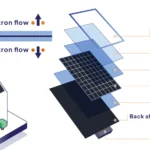
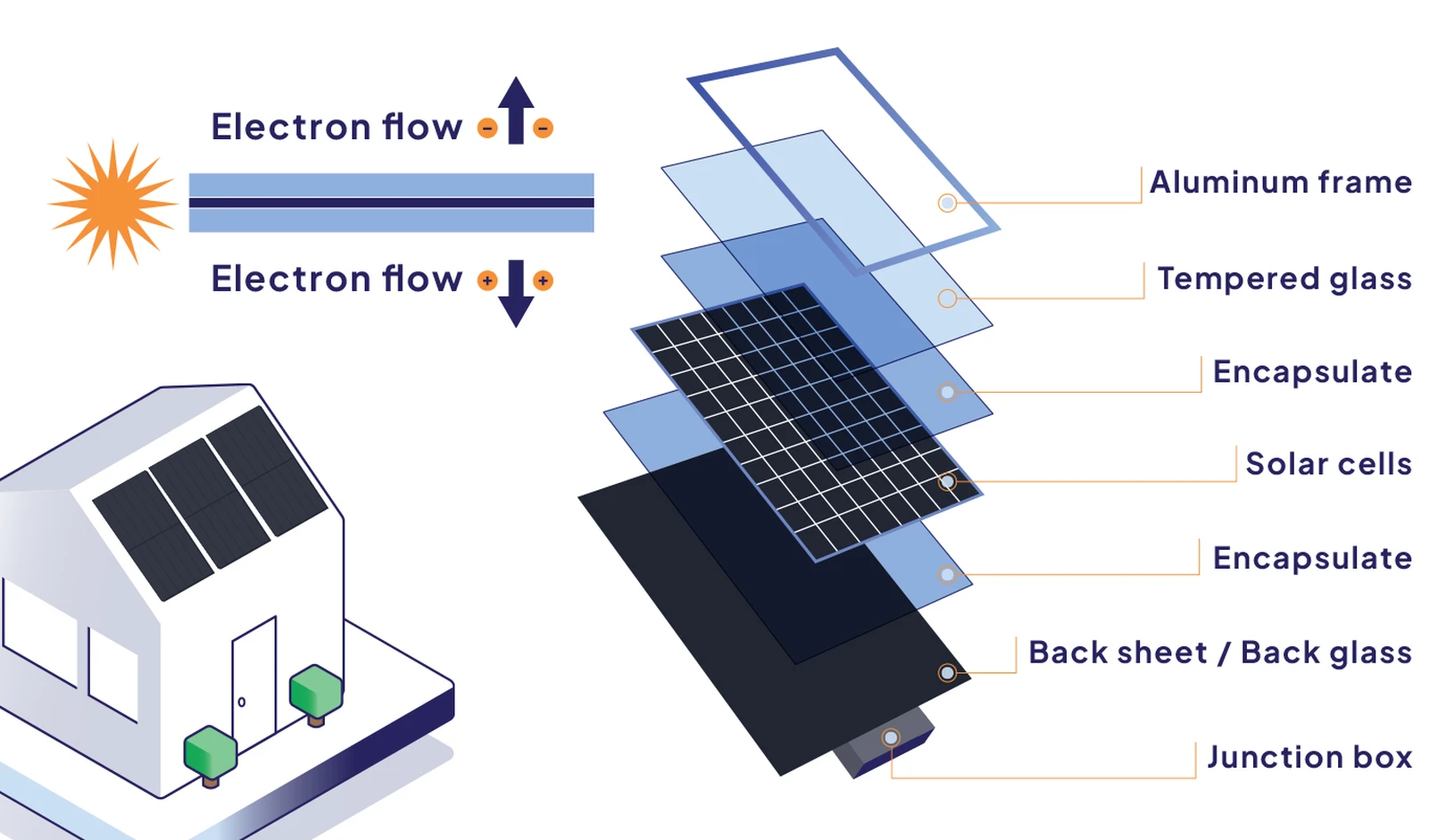
Solar panels are made up of small units called solar cells.
When sunlight hits these cells, it creates an electric current. This process is called the photovoltaic effect.
You don’t need to remember the term. Just know this. Sunlight goes in, electricity comes out.
This electricity is called DC, which stands for direct current.
Step 2: Inverter Converts Power for Your Home
Here’s where it gets interesting.
The electricity produced by solar panels is not directly usable in most homes.
Your appliances run on AC power, not DC.
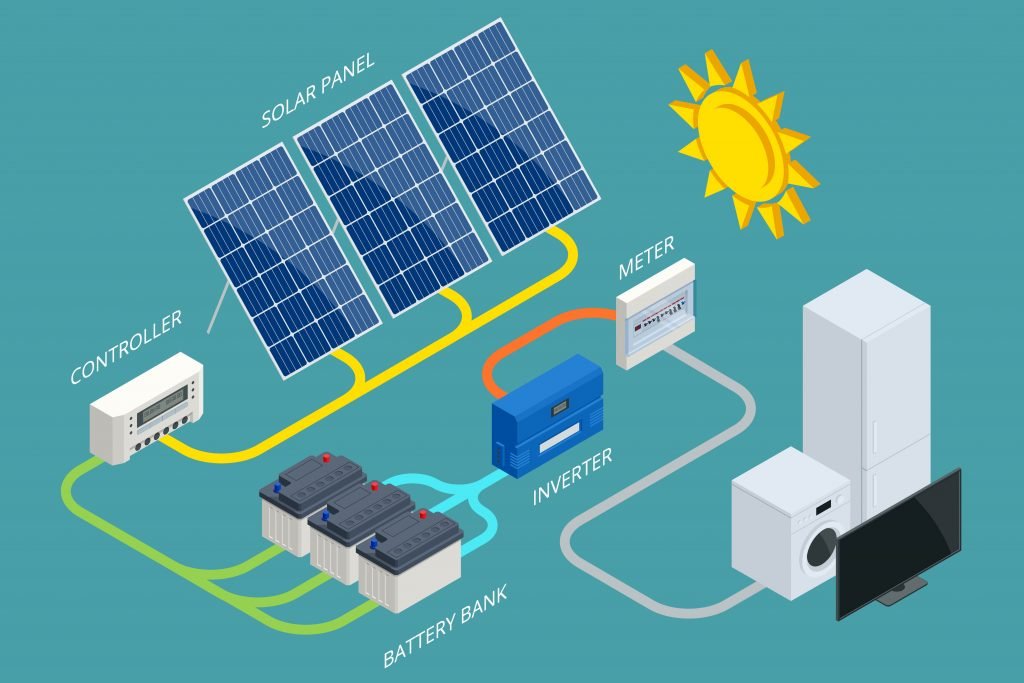
So the system uses a device called an inverter. It converts DC electricity into AC electricity that your home can use.
Without this step, the whole system wouldn’t work properly.
Step 3: Your Home Uses the Solar Electricity
Once the electricity is converted, it starts powering your home.
During the day, your appliances can run directly on solar energy.
Fans, lights, TV, even heavy appliances depending on your system size.
To be honest, this is the part people enjoy the most. Using free electricity while the sun is out.
Step 4: Extra Power Goes to the Grid
Sometimes your system produces more electricity than you need.
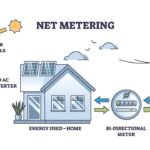
Instead of wasting it, that extra power is sent to the electricity grid.
This is where net metering comes in.
Your meter records how much electricity you send out and how much you take from the grid.
In many cases, you get credits for the extra power you generate.
Also Read Top 8 Reasons Why Solar Panels Are Beneficial for Indian Homes
Step 5: What Happens at Night?
At night, solar panels stop generating electricity.
So your home automatically starts using electricity from the grid.
If you have a battery system, things are a bit different. The battery stores extra power during the day and uses it at night.
But batteries increase the cost, so not everyone goes for them.
Real-World Experience of Using Solar Power
After using it for a while, you start noticing small changes in your daily routine.
You feel more relaxed using appliances during the day because you know the energy is coming from your system.
One thing I noticed from other users too is that people become slightly more aware of their electricity usage. Not in a stressful way, just more conscious.
There are also days when output drops because of clouds or dust. That’s normal. It doesn’t stop working, just produces less.
Pros of How Solar Power Works
- Uses free sunlight as fuel
- Reduces electricity bills significantly
- Works automatically once installed
- Can send extra power back to the grid
- Long-lasting system with minimal effort
Cons You Should Know
- Doesn’t generate power at night without batteries
- Output depends on sunlight availability
- Initial cost can feel high
- Inverter may need replacement after some years
- Efficiency drops slightly over time
One more thing. Installation quality matters a lot. A poorly installed system can affect how well everything works.
Solar Power vs Traditional Electricity
Traditional electricity comes from power plants, mostly using coal or other fuels.
You just pay the bill and use it. Simple, but you have no control over pricing.
Solar power, on the other hand, lets you generate your own electricity.
You invest once, and then you start saving over time.
It’s not about replacing the grid completely. It’s more about reducing your dependence on it.
Final Thoughts
To be honest, solar power is not as complicated as it looks from the outside.
Once you understand the basic flow, sunlight to panel, panel to inverter, inverter to your home, it all starts making sense.
What I like most is how quietly it works. No noise, no moving parts, no daily effort.
And over time, you realize it’s not just about saving money. It’s about having a bit more control over something we usually take for granted.
Frequently Asked Questions (FAQs)
1. How do solar panels generate electricity?
Solar panels use sunlight to create an electric current through solar cells. This electricity is then converted into usable power for your home.
2. Can solar power run all household appliances?
Yes, if the system size is large enough. You need to choose the right capacity based on your electricity usage.
3. Do solar panels work during rainy or cloudy days?
Yes, but the output is lower. They still generate electricity as long as there is some sunlight.
4. What is an inverter in a solar system?
An inverter converts the electricity from solar panels into a form that your home appliances can use.
5. Do I need batteries with solar panels?
Not necessarily. Many systems work without batteries by using the grid at night. Batteries are optional but useful for backup.
6. How long do solar panels last?
Most solar panels last 25 years or more, with gradual reduction in efficiency over time.
7. Is solar power worth it in India?
Yes, especially in areas with good sunlight. It helps reduce electricity bills and provides long-term savings.