I still remember the month my electricity bill crossed a level that just didn’t make sense. Nothing in my routine had changed, yet the amount felt… unfair. That’s when I started seriously looking into solar panels.
At first, it felt complicated and expensive. But after digging into real experiences and talking to a few people who already had systems installed, things became clearer. Solar panels aren’t perfect, but they solve a lot of everyday problems that most of us deal with quietly.
Who Should Consider Installing Solar Panels?
Solar panels are not for everyone, and that’s okay.
They make the most sense if:
- Your electricity bills are consistently high
- You live in a sunny region
- You have a rooftop or open space
- You plan to stay in your house for several years
If you’re moving soon or living in a rented space, the benefits may not fully justify the cost.
What It Feels Like to Use Solar Panels Daily
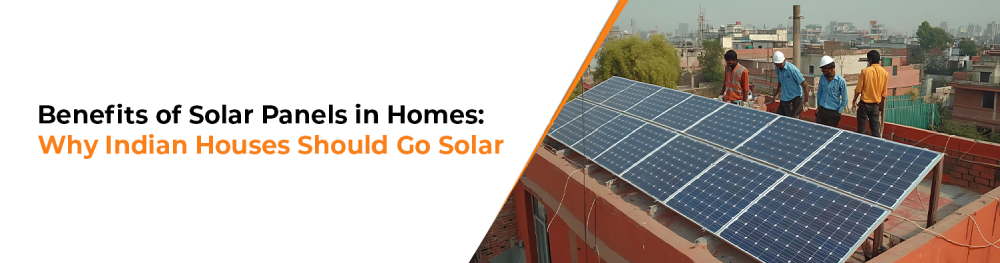
After using it for a while, something interesting happens. You stop stressing about every unit of electricity.
One thing I noticed people often say is how satisfying it feels to see the meter slow down during the day. It’s a small thing, but it changes your mindset.
There are days when output drops due to clouds or rain. But overall, the system works quietly in the background, doing its job without much attention.
1. Significant Savings on Electricity Bills
This is the biggest reason people switch to solar.
Many homeowners report saving anywhere between 50 percent to 90 percent on their monthly electricity bills.
The initial investment can feel heavy, but most systems recover their cost within 4 to 6 years. After that, it’s mostly savings.
Also Read Solar Heating & Cooling: A Guide for India
2. Protection Against Rising Power Costs
Electricity prices rarely stay the same. They usually go up.
With solar panels, your dependency on grid electricity reduces. That means you’re less affected by tariff hikes.
It’s a long-term relief that becomes more noticeable each year.
3. Low Maintenance Requirements
Before installing, a lot of people assume solar panels need constant care.
In reality, maintenance is quite simple. Cleaning the panels every few weeks to remove dust is usually enough.
There are no moving parts, which reduces the chances of breakdown.
4. Environment-Friendly Energy Choice
Even if you’re not actively trying to be eco-friendly, solar panels help reduce your carbon footprint.
They generate electricity without pollution, which means less reliance on coal-based power.
It’s a passive way of contributing to a cleaner environment.
5. Increases Property Value
Homes with solar installations are becoming more attractive to buyers.
People see it as a long-term benefit because it reduces future electricity costs.
If you ever decide to sell your house, having solar panels can give you an edge.
6. Greater Energy Independence
Generating your own electricity changes how you think about power.
You’re no longer completely dependent on the grid.
In areas with frequent power cuts, adding a battery can provide even more reliability.
7. Government Subsidies Make It More Affordable
In India, the government offers subsidies for residential solar systems.
This reduces the upfront cost and makes solar more accessible.
The process can take some time, but the financial benefit is worth it for many homeowners.
8. Long Lifespan and Reliable Performance
Most solar panels last 25 years or more.
Even after decades, they continue to generate electricity, though at slightly reduced efficiency.
When you spread the cost over that many years, it starts to feel like a solid investment rather than an expense.
Pros and Cons of Solar Panels
Pros
- Major reduction in electricity bills
- Low maintenance
- Long lifespan
- Works well in sunny climates like India
- Adds value to your property
Cons
- High initial investment
- Performance depends on sunlight
- Requires proper roof space
- Inverter replacement cost over time
- Installation quality can affect performance
How Solar Panels Work (Simple Explanation)
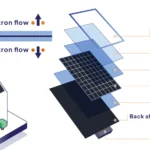
Solar panels convert sunlight into electricity using photovoltaic cells.
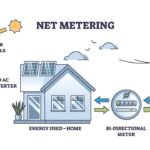
During the day, they generate power for your home. If you produce extra electricity, it can be sent to the grid through net metering.
At night, you use electricity from the grid unless you have a battery backup.
Performance depends on sunlight, panel quality, and installation angle.
Solar Panels vs Regular Electricity
Regular electricity is simple. No setup, no upfront cost.
But it comes with rising prices and complete dependency.
Solar panels require an initial investment and planning. But over time, they reduce both your bills and your reliance on the grid.
It’s more of a long-term decision than a quick fix.
Final Thoughts
To be honest, solar panels are not some magical solution that fixes everything overnight.
But once they are up and running, they quietly make life easier. Lower bills, less stress about electricity usage, and a sense of control that wasn’t there before.
If you’re thinking long-term and have the right setup, solar panels are definitely worth considering.
Frequently Asked Questions (FAQs)
1. How much does it cost to install solar panels in India?
The cost usually ranges between ₹50,000 to ₹70,000 per kW before subsidy. After subsidy, the price can drop significantly depending on your state and system size.
2. How long does it take to recover the investment?
Most residential solar systems recover their cost within 4 to 6 years through savings on electricity bills.
3. Do solar panels work during cloudy or rainy days?
Yes, they do work, but the output is lower compared to sunny days. Performance depends on sunlight intensity.
4. How often do solar panels need maintenance?
Basic cleaning every 2 to 4 weeks is usually enough. Other than that, they require very little maintenance.
5. What happens at night when solar panels don’t generate electricity?
At night, your home uses electricity from the grid unless you have a battery storage system installed.
6. Can solar panels run all home appliances?
Yes, if the system is properly sized. You need to choose the right capacity based on your electricity usage.
7. Is government subsidy available for solar panels in India?
Yes, residential users can avail subsidies under government schemes, which help reduce the overall installation cost.